Avoid hidden rubbish removal charges in Bounds Green
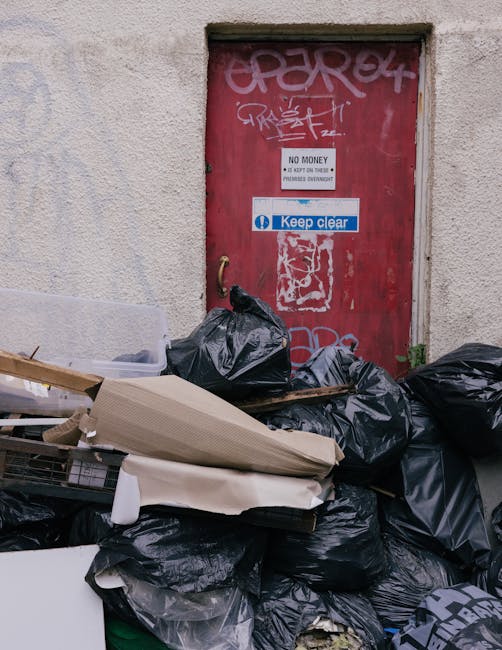
If you have ever booked a clearance job and then watched the final bill creep up with "extras", you already know why this topic matters. Avoid hidden rubbish removal charges in Bounds Green is not just about saving money; it is about knowing what you are paying for before the van even arrives. A clear quote should feel calm and straightforward, not like a guessing game on a wet Tuesday afternoon when the front room is full of bags, old furniture, and that one broken shelf you meant to sort last month.
This guide walks you through how pricing should work, where surprise fees tend to hide, and what to ask before you agree to anything. You will also find practical steps, a comparison table, a checklist, and a few local-minded pointers to help you make a sensible choice without the usual stress.
Why hidden rubbish removal charges in Bounds Green matter
Let's face it: most people do not mind paying for a proper service. What they mind is paying more than they expected because key details were left out at the start. Hidden charges can turn a useful rubbish removal job into a frustrating experience, especially if you are dealing with a tight budget, a deadline, or a property that needs clearing quickly.
In Bounds Green, that risk can be even more noticeable because jobs are often a little more complicated than they first look. Parking can be awkward, access may be tight, flats may be on upper floors, and heavy items are not always easy to move. None of that is a problem in itself. The problem is when those conditions are not explained clearly and then quietly appear on the invoice later.
Clear pricing matters for three simple reasons:
- Budget control: you can plan what the job will cost before you commit.
- Time savings: you avoid back-and-forth calls trying to understand added fees.
- Trust: you know the company is being upfront rather than vague.
There is also a practical side that people sometimes miss. When a quote is transparent, it is easier to compare services properly. You are not just comparing a headline price; you are comparing what is included, what is excluded, and how likely the final bill is to change. That alone can save you a headache.
And to be fair, a cheap quote that later grows legs is not really cheap at all.
How hidden rubbish removal charges in Bounds Green works
Good rubbish removal pricing should start with a clear description of the job. A decent provider will want to know what you need removed, how much there is, where it is located, and whether there are any access issues. That might sound obvious, but it is exactly where many misunderstandings begin.
Here is the basic flow you should expect:
- You describe the waste: for example, bagged household rubbish, a broken wardrobe, garden cuttings, or office clutter.
- The company estimates the load: this may be by volume, item count, van space, or a combination.
- Any restrictions are discussed: such as stairs, parking distance, restricted access, dismantling needs, or heavier materials.
- The quote is given clearly: ideally with enough detail to show what is included.
- The crew arrives and assesses on site: if anything differs materially from the description, a revised price should be explained before work continues.
The key point is not that prices can never change. They can. A quote based on guesswork can legitimately shift if the load is very different from what was described. But the important part is that this should be discussed openly and in advance, not after the van doors have been shut and the job is already halfway done.
If you are comparing providers, look at whether they explain:
- collection fees
- labour or handling costs
- minimum charges
- parking or access surcharges
- extra costs for bulky or heavy items
- fees for certain waste types
That last point matters more than people think. A mattress, sofa, fridge, or builder's waste can require different handling from general household rubbish. The job is not complicated, but it needs honesty.
When you book through a service such as pricing and quotes, the best sign is clarity. You should feel that the numbers make sense, not that you need a calculator and a detective hat.
Key benefits and practical advantages
The obvious benefit is saving money. The less obvious one is reducing friction. A transparent quote makes the whole process smoother from the first call to the final sweep-up. That matters when you are juggling work, family, moving plans, or a property that needs to be cleared quickly.
Here are the practical advantages worth caring about:
- Fewer surprises: you can spot hidden charges before they are added.
- Better decision-making: it is easier to compare like for like.
- Faster booking: fewer follow-up questions later on.
- Less conflict: both sides know what has been agreed.
- Better service fit: the provider can bring the right vehicle and enough labour.
There is also a less obvious benefit: when a company quotes properly, it usually means they understand the work properly. That does not guarantee perfection, obviously, but it is a decent sign they have done this before and know how to scope a job without guesswork.
Expert summary: the safest way to avoid hidden rubbish removal charges is to give a full description upfront, ask what is included, confirm likely extras, and insist on a clear explanation before collection starts. If anything sounds fuzzy, pause there. A good provider will not mind. In fact, they should welcome the question.
Another practical upside is speed. When the price structure is clear, your collection can often happen sooner because there is less admin. That is particularly helpful when clearing a flat before a move-out date or tidying a property after a renovation. You want the rubbish gone, not a half-day email chain.
Who this is for and when it makes sense
This advice is useful for anyone arranging a clearance in Bounds Green, but some people benefit more than others.
- Homeowners clearing clutter, old furniture, or garden waste.
- Tenants needing a quick clear-out before a handover.
- Landlords managing end-of-tenancy leftovers or abandoned items.
- Small businesses dealing with office furniture, packaging, or general waste.
- Builders and tradespeople needing disposal of renovation debris.
- Families handling a bereavement or house clear-out who need the job handled carefully and clearly.
It also makes sense for anyone who has been quoted a low headline price and thought, "That seems almost too neat." Sometimes it is. If the quote looks noticeably cheaper than the rest, ask why. Is it a limited load size? Is labour extra? Are certain item types excluded? The cheapest number on the page is not always the real price.
Here is a common scenario: you have a sofa, a few bulky bags, a wardrobe, and some mixed clutter from a spare room. You want it gone in one visit. A transparent quote helps the company understand the scale and helps you know whether the job is being priced as a small clearance, a partial van load, or something larger. No drama. Just information.
If you need help with specific items, services such as furniture disposal, mattress and sofa disposal, or fridge and appliance removal can be useful starting points because item type often affects the final price more than people expect.
Step-by-step guidance
If you want to avoid sneaky extras, follow a simple process. Nothing fancy. Just a bit of structure.
1. Make a clear waste list
Write down what you want removed. Include the obvious stuff and the awkward bits too. One broken chair is easy to forget, but then somehow it is still there when the team arrives. Been there, seen it, not ideal.
Note whether items are bagged, loose, heavy, wet, sharp, or dismantled. That gives the provider a much better picture of the job.
2. Take quick photos
Photos are not just convenient. They reduce ambiguity. A few pictures of the waste pile, stairwell, access route, and parking situation can help a lot. If you live in a block or on a busy road, that detail really matters.
3. Ask what the quote includes
Do not stop at the headline figure. Ask whether the price includes labour, loading, disposal, fuel, and VAT if applicable. If a company is cagey here, take that seriously.
4. Ask about common extras
Common extras include difficult access, extra load volume, dismantling furniture, long carrying distance, or special waste handling. If any of those may apply, mention them before booking.
5. Confirm how price changes are handled
If the crew finds more waste than expected, what happens next? A good provider should stop, explain, and wait for approval before changing the charge. That is the fair version.
6. Keep the agreement in writing
Even a short email or booking message can help. It should outline what you said, what was quoted, and what is included. Nothing dramatic. Just a record. Very useful when memories get a bit slippery.
7. Check the final invoice before paying
Before you pay, look for extra lines that were never discussed. If something seems wrong, ask for an explanation straight away while the details are fresh.
If you are booking online, a page like book online is handy, but the same rule applies: fill in the details carefully. The more accurate the information you give, the less room there is for confusion later.
Expert tips for better results
Here are a few practical tips that make a real difference, especially if you are trying to keep the job straightforward and cost-effective.
- Be specific about access: mention narrow hallways, stairs, basement storage, locked gates, or parking constraints.
- Sort waste by type: general rubbish, garden waste, builders' debris, and electrical items are not always priced the same.
- Ask whether items can be reused or recycled: responsible handling may affect how the job is processed and can support better sustainability outcomes.
- Check if the provider has clear policies: insurance, health and safety, and payment guidance all tell you something about how they work.
- Be realistic about volume: a single pile can look small in a hallway and huge in a van. Perspective plays tricks on all of us, honestly.
If your job involves heavier or mixed materials, pages like builders waste clearance and garage clearance can help you think through the likely complexity before you book. That often prevents awkward price changes on the day.
One small but useful habit: ask, "What would make this quote go up?" It sounds simple, but it gets to the heart of the issue. You are not challenging the company; you are making sure you understand the boundaries. That is just sensible.
Common mistakes to avoid
Most surprise charges are not magic. They usually come from gaps in information or rushed decisions. Here are the biggest mistakes people make.
Leaving out item details
A quote for "some rubbish" is too vague. The provider cannot price well if they do not know whether that means three bags or half a room.
Not mentioning access issues
If the van cannot stop right outside, or the items are on the fourth floor, say so. Access affects labour time and effort. It is not a nuisance detail; it is part of the job.
Assuming everything is included
Some quotes sound attractive because they leave out common extras. That is how low quotes become annoying quotes.
Forgetting about restricted waste
Certain materials may need special handling. If you have anything unusual, such as paint, chemicals, or sharply mixed waste, raise it early rather than hoping for the best.
Choosing purely on price
The cheapest option may be fine. Or it may be thin on detail and heavy on surprises. Compare the scope, not just the number.
Another mistake is being too polite to ask questions. In this area, polite is good; unclear is not. Ask. Then ask again if needed. No one enjoys surprise fees, and there is no award for quietly accepting them.
Tools, resources and recommendations
You do not need complicated tools to avoid hidden rubbish removal charges. A few basic things are enough.
- A phone camera: take photos of the waste, access, and parking conditions.
- A simple item list: note item types, quantity, and whether anything is heavy or fragile.
- A measuring tape or rough size estimate: useful for larger furniture or stacked waste.
- A written quote or message: keep a clear record of what was agreed.
- A sensible comparison sheet: include price, inclusions, exclusions, timing, and any extra charges mentioned.
Useful website pages on this site for deeper context include waste removal, home clearance, house clearance, and flat clearance. Each one can help you think through the scale and type of job before you request a quote.
If sustainability matters to you, take a look at the site's recycling and sustainability information. A provider that handles waste thoughtfully is often more disciplined with pricing too, though of course one does not guarantee the other. Still, it is a good sign.
You may also want to review the company's insurance and safety and health and safety policy pages. That kind of detail gives useful reassurance, especially for larger jobs or tight access situations.
Law, compliance, standards, and best practice
Any rubbish removal service should be run responsibly. In the UK, waste must be handled properly, and customers should be careful about who they hire. You do not need to be a legal expert, thankfully, but you should expect a provider to act professionally and lawfully.
In practical terms, that means:
- waste should be collected and transported responsibly
- potentially hazardous items should be identified and handled with care
- records, pricing, and service terms should be clear enough to understand
- customers should not be misled about what is included
It is also good practice for a company to be transparent about payment, service limits, complaint handling, and safety procedures. If those details are easy to find, it usually suggests the business is organised. If they are hidden away or hard to understand, that can be a warning sign.
For example, if you are dealing with mixed materials or items that may need special disposal, ask early. A reputable provider should be able to explain the process in plain English, not hide behind jargon. The same goes for payment terms and service conditions. Pages such as payment and security, terms and conditions, and complaints procedure are useful signals of how a business treats customers.
Truth be told, good compliance and good pricing tend to go together. A company that is careful with process usually communicates better about costs as well. Not always, but often enough to matter.
Options, methods, and comparison table
There are a few common ways to arrange rubbish removal, and each one has different cost and convenience trade-offs. The right option depends on how much waste you have, how quickly it needs to go, and how hands-on you want to be.
| Option | Best for | Pros | Possible downside |
|---|---|---|---|
| Full rubbish removal service | Most home, office, and mixed clearance jobs | Convenient, labour included, less lifting for you | Price can vary if job details are unclear |
| Item-specific disposal | Furniture, appliances, mattresses | Clearer scope for single items or small loads | May become costly if you have several different items |
| Builders waste clearance | Renovations and light construction debris | Suitable for rubble, timber, and mixed site waste | Needs accurate volume and material details |
| DIY transport to a disposal facility | Very small loads if you have suitable transport | Can seem cheaper upfront | Time, fuel, lifting, and disposal effort fall on you |
If you want convenience and predictable handling, a professional collection is usually the best fit. If you only have a tiny amount of waste and plenty of time, DIY may look tempting. But once you factor in lifting, vehicle use, and the risk of misunderstanding what can be taken, the cheaper option is not always the calmer one. And calm matters more than people admit.
For some households, a specialised route works better. For example, furniture clearance, garden clearance, and loft clearance can be better matches than a broad general quote because they set expectations more clearly.
Case study or real-world example
A local resident in Bounds Green was clearing a spare room before a move. On the surface, the job looked simple: a wardrobe, a chest of drawers, several bags of mixed clutter, and a broken desk. The first quote they received was low and brief. No detail. Just a number.
That quote changed after the provider asked a few sensible questions. Were the items upstairs? Yes. Was parking close by? Not really. Were the drawers already emptied? Mostly, but not fully. Was the wardrobe assembled? Yes, which meant dismantling might be needed.
Because those details were discussed early, the final booking still went ahead, but now it was based on the real job rather than wishful thinking. The resident knew why the price had shifted. No surprise, no argument, no awkward face-to-face moment at the door. Just a clear understanding of what was included.
That is the simple lesson here: transparency does not always mean the price will be lower, but it almost always means the outcome will be smoother. And smoother is worth a lot when you are trying to clear a property before a deadline.
In a different case, a small office near Bounds Green needed old chairs, files, and packaging removed after a tidy-up. Because the business checked the service details first, they avoided extra charges for access and handling by telling the provider exactly what was on site. That little bit of preparation saved time and made the collection feel almost boring. Which, in rubbish removal, is a compliment.
Practical checklist
Use this checklist before you book:
- Have you listed every item or waste type that needs removing?
- Have you shared photos, if possible?
- Have you described access clearly, including stairs, parking, and carrying distance?
- Have you asked what the quote includes?
- Have you asked what might cost extra?
- Have you confirmed how price changes are handled on the day?
- Have you checked whether specialist items need separate treatment?
- Have you saved the written quote or booking confirmation?
- Have you reviewed payment terms and cancellation conditions?
- Have you chosen the provider based on clarity, not just the lowest number?
If you can tick most of those off, you are in a strong position. If not, pause and fill the gaps. It is much easier than arguing about a bill later, and frankly, a lot less annoying.
Get a free quote today and see how much you can save.
Conclusion
Avoiding hidden rubbish removal charges in Bounds Green comes down to one thing: clarity. The more clearly you describe the job, the more confidently you can compare quotes, spot extras, and choose a service that genuinely fits your needs.
You do not need to become an expert in waste transport or pricing structures. You just need to ask the right questions, keep a written record, and notice when a quote feels too vague. Most of the time, that is enough to protect your budget and reduce stress.
If you are planning a clearance soon, take five minutes to gather photos, item details, and access information before you book. It sounds minor. It really is not. That small bit of preparation can save you money, time, and a fair amount of irritation. And that's a decent trade, all things considered.
When the quote is clear, the whole job feels lighter.
Frequently Asked Questions
What are hidden rubbish removal charges?
They are extra fees that were not clearly explained at the point of booking. These can include labour, access, item type, parking distance, or additional volume that was not mentioned upfront.
How can I avoid surprise costs when booking rubbish removal in Bounds Green?
Give a full description of the waste, share photos if you can, ask what is included in the quote, and confirm which situations could increase the price. Written confirmation helps too.
Why do some quotes seem much cheaper than others?
Sometimes they are genuinely better value. Other times they exclude things that are likely to be charged later. Always compare the scope of work, not just the headline figure.
Should I mention stairs and parking issues before booking?
Yes. Access details affect how much labour is needed and how long the job may take. Leaving those out can lead to avoidable price changes later.
Do rubbish removal companies charge extra for bulky items?
They often can, depending on the item and the effort needed to move it. Sofas, fridges, wardrobes, and mattresses may be priced differently from general bagged waste.
Is it better to get a quote by phone or online?
Either can work, but the best option is the one that lets you describe the job clearly and keeps a record of what was agreed. Online bookings can be handy, but accuracy matters more than the format.
What should a clear rubbish removal quote include?
It should explain what waste is covered, what labour is included, any likely extra charges, and how changes are handled if the load is different on the day.
Can a rubbish removal price change after the team arrives?
Yes, but only if the actual job differs from what was described. A proper provider should explain the reason before carrying on, not spring the change after the fact.
Are special waste items more expensive to remove?
Often, yes. Items that need special handling or separate disposal can cost more. If you have anything unusual, mention it early so the quote reflects the real job.
What is the best way to compare providers fairly?
Compare the level of detail in the quote, what is included, how transparent the provider is about extras, and whether they answer your questions directly. A clear offer is usually the more reliable one.
Do I need to worry about compliance and disposal standards?
You do not need to manage the legal side yourself, but you should choose a provider that handles waste responsibly and explains its process clearly. That is simply sensible.
When does it make sense to use a specialist clearance service?
It makes sense when the job is centred on a specific waste type or location, such as furniture, garden waste, lofts, garages, or office contents. Specialised services often make pricing easier to understand.
For questions about the company, you can also review the about us page, or if you prefer to speak directly, use the contact us page. If you want to understand how the business handles responsible clearance, the recycling and sustainability page is worth a look too.
One last thought: a good rubbish removal job should feel tidy from start to finish. Clear quote, clear job, clear result. Simple, really. And when it goes that way, you notice the relief almost straight away.